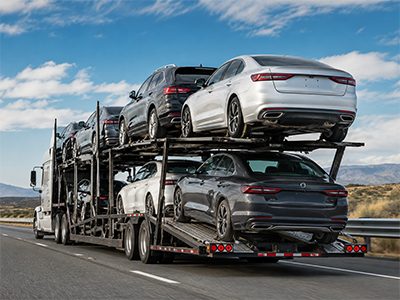
Open Car Transport
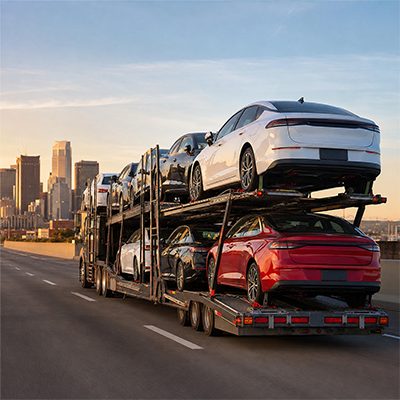
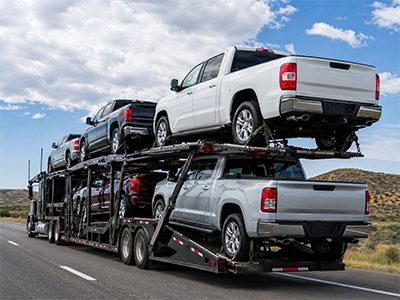
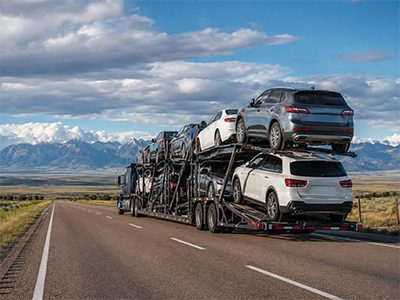
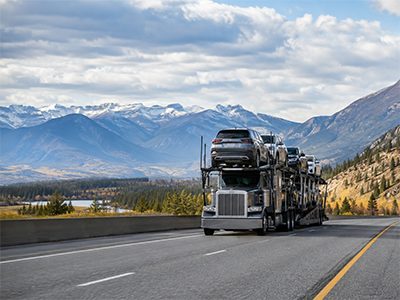
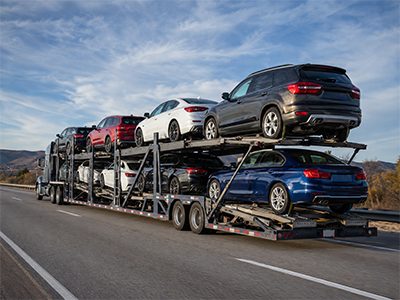
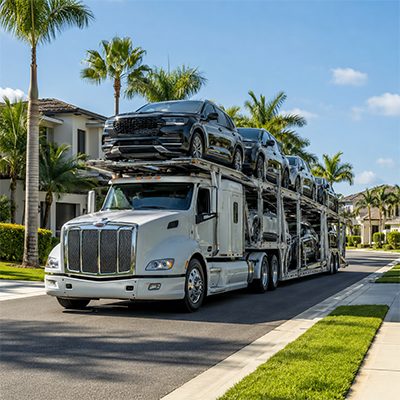
Open transport is how more than 90% of vehicles ship in the U.S. — it's the same method dealerships and manufacturers use to move brand-new cars. Your vehicle rides on an open two-level carrier alongside up to nine others.
It's the most economical option because carriers maximize each load, and availability is excellent on every major route.
- Most affordable transport option
- Fastest carrier availability nationwide
- Safe for daily drivers, SUVs, and trucks
Enclosed Auto Transport
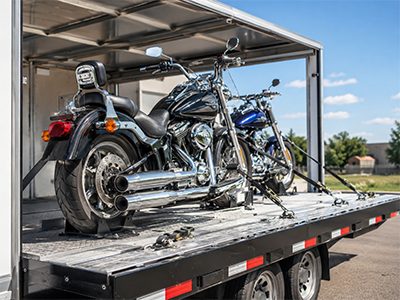
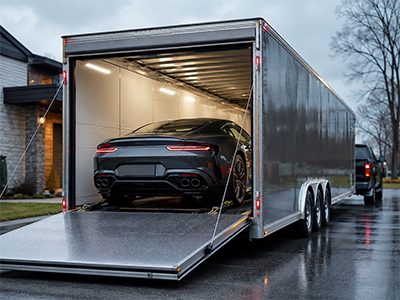
Enclosed transport puts your vehicle inside a fully covered trailer, protected from weather, road debris, and prying eyes. Trailers typically carry 2–6 vehicles and often feature hydraulic liftgates for low-clearance cars.
Expect to pay roughly 30–40% more than open transport. For high-value vehicles, most owners consider it money well spent.
- Full protection from weather and debris
- Liftgate loading for low-clearance vehicles
- Higher cargo insurance limits on most trailers
Door-to-Door Shipping
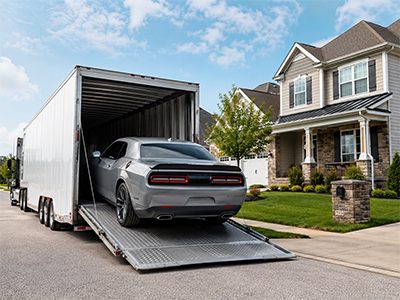
Door-to-door is our standard service: the driver picks up and delivers as close to your addresses as the truck can safely and legally operate. No terminal drop-offs, no extra trips across town.
If your street can't fit a 75-foot carrier — narrow lanes, low trees, HOA rules — the driver arranges a nearby meeting spot like a shopping center parking lot.
- Included in every standard quote
- No terminal storage fees
- Driver coordinates exact meeting point with you
State-to-State Car Shipping
Whether it's one state over or a multi-state move, we run every lane between all 50 states — including port service for Alaska and Hawaii.
Popular corridors (I-95, I-10, I-80) have daily carrier availability; rural routes may add a day or two to pickup windows.
- All 50 states covered
- Popular corridors picked up in 1–3 days
- Alaska & Hawaii via port partners
Cross-Country Auto Transport
Coast-to-coast shipping on the major interstate lanes, usually with a single dedicated carrier the entire way — your car is loaded once and unloaded once.
Typical coast-to-coast transit is 7–10 days, and shipping almost always beats driving once you count fuel, hotels, meals, and the 3,000 miles you're not putting on your odometer.
- Single carrier, loaded once
- 7–10 day typical coast-to-coast transit
- Cheaper than driving for most vehicles
Expedited Car Shipping
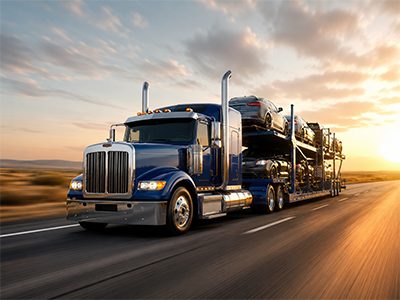
When the standard 1–5 day pickup window doesn't work, expedited dispatch targets pickup within 24–48 hours by paying a premium that moves your vehicle to the front of carriers' schedules.
Tell us your hard deadline and we'll tell you honestly whether it's achievable — and exactly what it costs before you commit.
- Pickup targeted within 24–48 hours
- Priority placement with carriers
- Guaranteed-window options on major routes
Terminal-to-Terminal Shipping
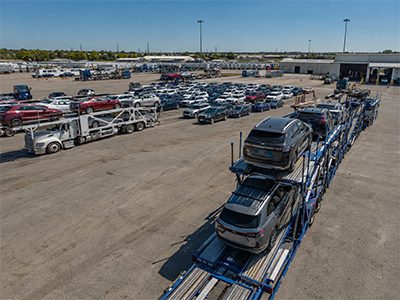
A budget alternative for flexible timelines: you drop your vehicle at a secure terminal yard near a major city, and pick it up at a terminal near your destination when it arrives.
It can shave money off the price on some routes, but factor in the drive to each terminal and possible storage fees if you can't pick up right away.
- Lower cost on select routes
- Secure, fenced terminal yards
- Good when your schedule doesn't fit a driver's
Snowbird Auto Transport
Every fall, thousands of cars head south to Florida and Arizona — and back north each spring. We run these seasonal corridors daily during snowbird season.
Southbound rates peak October through January and northbound peaks March through May. Booking 2–3 weeks ahead locks in better pricing and your preferred dates.
- Daily carriers on North–South corridors in season
- Book 2–3 weeks ahead for best rates
- Repeat-customer scheduling year after year
Dealer, Fleet & Auction Transport
Volume vehicle logistics for dealerships, wholesalers, rental fleets, and relocation companies — with one dedicated coordinator across all your moves.
Buying at auction? We handle gate release, lot pickup, and paperwork at Copart, IAA, Manheim, and dealer auctions nationwide, usually within days of sale.
- Dedicated account coordinator
- Auction gate release & paperwork handled
- Volume pricing for regular shippers